The Ultimate Guide to Choosing the Right Plants for Your Landscape Design Dec 12, 2025
To start, it's crucial to understand your local climate and growing conditions. Plants that thrive in a coastal region might struggle in an inland environment and vice-versa. Begin by researching the USDA hardiness zone for your area to determine which plants are suitable for your climate. This zone gives you a baseline for temperature ranges your plants can endure, providing a solid foundation for plant selection.
Once you know your hardiness zone, consider soil conditions. Soil quality plays a pivotal role in plant health. Conduct a simple soil test to evaluate key factors like pH level and nutrient content. This step is vital in knowing whether your soil is sandy, clay-like, or loamy, and what amendments might be necessary. Real Deal Lawn Care can assist with soil assessments to ensure your plant choices will succeed.
Sun exposure is another critical factor. Different plants have varying light needs, ranging from full sun to partial shade. Observe your landscape throughout the day to note areas where the sun hits directly and where shade prevails. This observation will guide you in placing sun-loving plants in the brightest spots, while shade-tolerant varieties can fill in the cooler, darker corners.
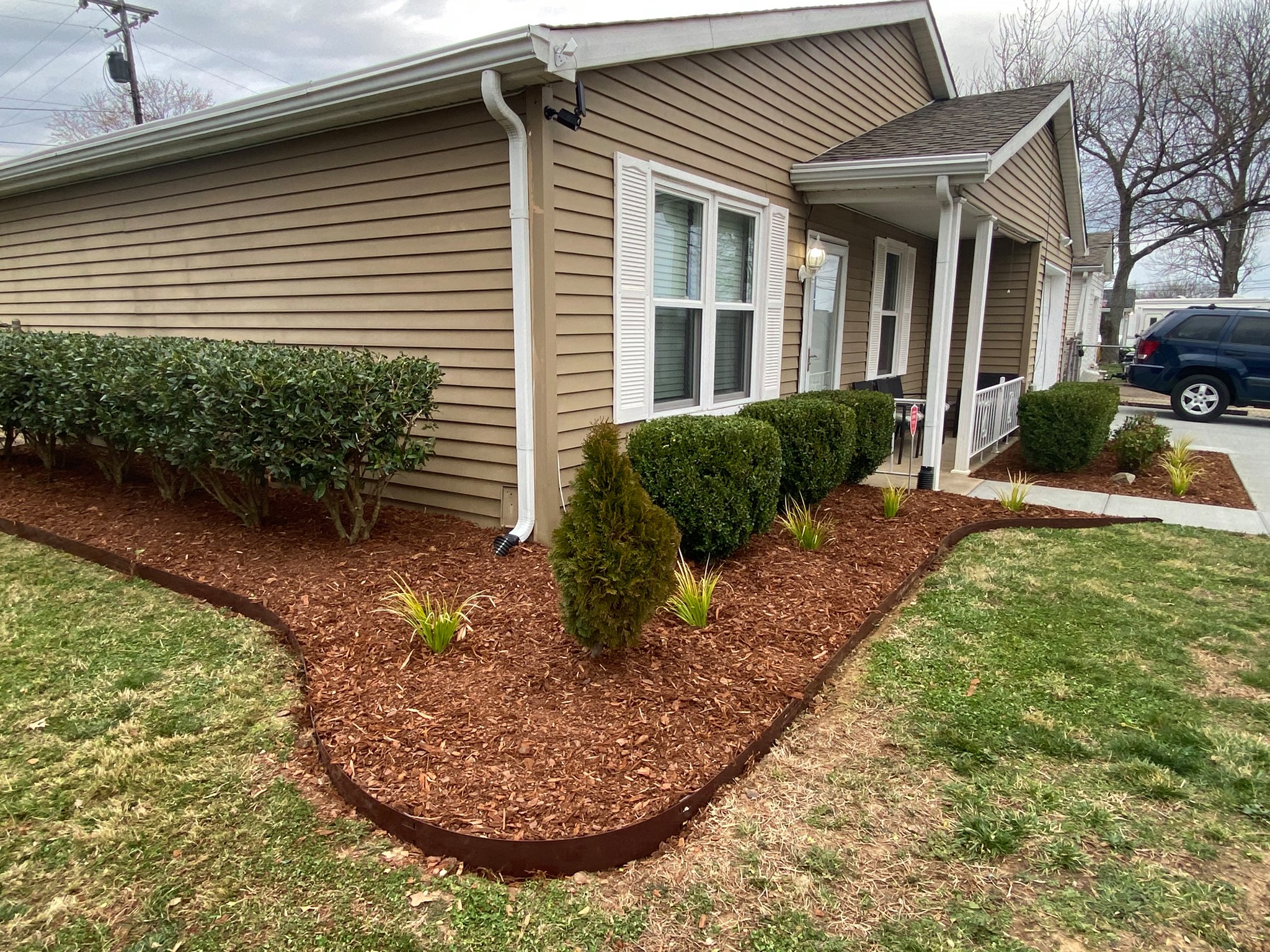
Design aesthetics also play into plant selection. Consider the colors, textures, and heights of each plant to create a vibrant and cohesive garden design. Think of your landscape in layers: tall trees and shrubs form the backdrop, medium-sized plants create a middle layer, and groundcover plants add texture and fill gaps. Mixing textures and colors can add depth and interest to your landscape, bringing a unique flair to your design.
For low-maintenance gardening, opt for native plants. These species are well adapted to local conditions and require less water and maintenance. Consulting local plant nurseries or speaking with specialists at Real Deal Lawn Care can introduce you to the best native plants that thrive in your region, ensuring sustainable beauty with minimal effort.
Water efficiency is another element to ponder. Incorporate drought-tolerant plants and group together varieties with similar watering needs. This practice, known as hydrozoning, not only conserves water but also promotes plant health by avoiding over- or under-watering.
To round out your plant selection, think ahead about seasonal variations. Choose a mix of evergreen and decidaceous plants to ensure year-round interest. Evergreens provide consistent color and texture throughout the year, while deciduous plants can offer striking seasonal changes in foliage and blooms, ensuring that your landscape stays dynamic yet balanced.
In conclusion, selecting the right plants for your landscape design is an art nurtured by informed choices tailored to your local environment. By understanding climate, soil, lighting, and maintenance needs, you can create an outdoor space that is both beautiful and sustainable. As you embark on this journey of enhancing your garden, remember that at Real Deal Lawn Care, we are here to support your landscape aspirations with expert advice and services tailored to your needs. With careful planning and the right plant selections, your garden can become an enduring and enchanting extension of your home.
/filters:no_upscale()/filters:format(webp)/media/04c59925-4bb3-4ddf-846d-4cec7a93e8d8.jpg)